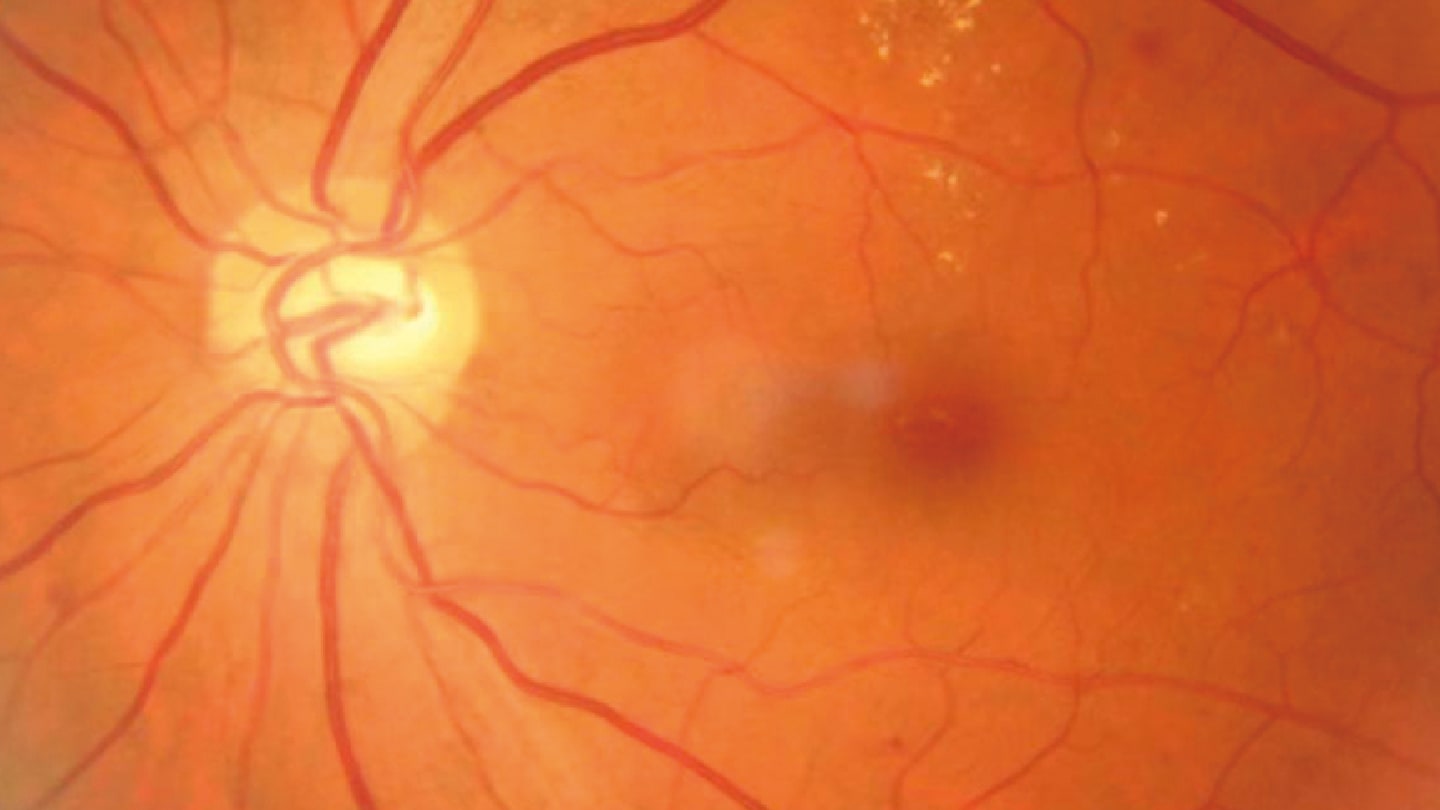
Despite major advances in the treatment of diabetic retinopathy (DR), current therapies remain largely reactive. Anti-VEGF injections and laser photocoagulation are highly effective in advanced disease, yet they do little to address the early neuroinflammatory and metabolic disturbances that precede visible microvascular damage. This therapeutic gap has renewed interest in upstream modulators that might slow or prevent progression before irreversible retinal injury occurs.
A recent systematic review synthesizes preclinical evidence on resveratrol – a naturally occurring polyphenol best known for its antioxidant properties – and its potential role as a multi-target modulator in early DR. The review reframes resveratrol not as a simple free-radical scavenger, but as a regulator of key molecular pathways implicated in neurovascular dysfunction.
The Indonesia-based authors analyzed 20 preclinical studies (15 in vitro and 13 in vivo), encompassing a wide range of diabetic retinal models. Across these studies, a consistent picture emerged: resveratrol acts upstream, influencing mitochondrial health, inflammatory signalling, and neuroglial behavior well before overt vascular pathology develops.
One of the most robust findings relates to mitochondrial protection. Mitochondrial dysfunction is increasingly recognized as a central driver of DR, contributing to oxidative stress, apoptosis, and chronic inflammation. Resveratrol repeatedly activated SIRT1-dependent pathways, improving mitochondrial dynamics and mitophagy while reducing reactive oxygen species. In animal models, these effects translated into preserved retinal structure, improved mitochondrial morphology, and, in some cases, improved electroretinographic function.
Resveratrol’s anti-inflammatory profile was equally striking. Rather than targeting a single cytokine, resveratrol consistently suppressed multiple inflammatory mediators, including TNF-α, IL-6, and IL-1β. This was achieved through inhibition of NF-κB and HMGB1 signalling – pathways known to amplify innate immune responses in the diabetic retina. Several of the studies analyzed also demonstrated a shift in microglial behavior away from the pro-inflammatory M1 phenotype toward a more reparative, anti-inflammatory state. This is particularly relevant given growing recognition of microglia as early drivers of neuronal and vascular injury in DR.
Resveratrol also exerted protective effects on the blood–retinal barrier. By preserving endothelial junctional proteins and inhibiting endothelial-to-mesenchymal transition, it reduced vascular leakage and maintained retinal layer integrity in diabetic animal models. Anti-angiogenic effects were also observed, with downregulation of VEGF and related growth factors – although these effects appear complementary rather than competitive with existing anti-VEGF therapies.
The key takeaway of this systematic review is not that resveratrol is ready for clinical use in DR – it is not. All evidence to date remains preclinical, and issues such as poor oral bioavailability, optimal dosing, and retinal delivery remain unresolved. However, the review highlights a compelling concept: early DR may be modifiable through upstream, multitarget interventions that address inflammation, mitochondrial stress, and neuroglial dysfunction simultaneously.
Resveratrol’s mechanisms differ fundamentally from those of anti-VEGF therapy, raising the possibility that such agents could one day serve as adjuncts or preventive treatments in early disease. Whether this promise translates into clinical benefit will depend on well-designed human trials and improved delivery strategies. For now, this review strengthens the rationale for looking beyond vessels alone – and toward the neuroinflammatory retina – when thinking about the future of diabetic retinopathy management.
A recent systematic review synthesizes preclinical evidence on resveratrol – a naturally occurring polyphenol best known for its antioxidant properties – and its potential role as a multi-target modulator in early DR. The review reframes resveratrol not as a simple free-radical scavenger, but as a regulator of key molecular pathways implicated in neurovascular dysfunction.
The Indonesia-based authors analyzed 20 preclinical studies (15 in vitro and 13 in vivo), encompassing a wide range of diabetic retinal models. Across these studies, a consistent picture emerged: resveratrol acts upstream, influencing mitochondrial health, inflammatory signalling, and neuroglial behavior well before overt vascular pathology develops.
One of the most robust findings relates to mitochondrial protection. Mitochondrial dysfunction is increasingly recognized as a central driver of DR, contributing to oxidative stress, apoptosis, and chronic inflammation. Resveratrol repeatedly activated SIRT1-dependent pathways, improving mitochondrial dynamics and mitophagy while reducing reactive oxygen species. In animal models, these effects translated into preserved retinal structure, improved mitochondrial morphology, and, in some cases, improved electroretinographic function.
Resveratrol’s anti-inflammatory profile was equally striking. Rather than targeting a single cytokine, resveratrol consistently suppressed multiple inflammatory mediators, including TNF-α, IL-6, and IL-1β. This was achieved through inhibition of NF-κB and HMGB1 signalling – pathways known to amplify innate immune responses in the diabetic retina. Several of the studies analyzed also demonstrated a shift in microglial behavior away from the pro-inflammatory M1 phenotype toward a more reparative, anti-inflammatory state. This is particularly relevant given growing recognition of microglia as early drivers of neuronal and vascular injury in DR.
Resveratrol also exerted protective effects on the blood–retinal barrier. By preserving endothelial junctional proteins and inhibiting endothelial-to-mesenchymal transition, it reduced vascular leakage and maintained retinal layer integrity in diabetic animal models. Anti-angiogenic effects were also observed, with downregulation of VEGF and related growth factors – although these effects appear complementary rather than competitive with existing anti-VEGF therapies.
The key takeaway of this systematic review is not that resveratrol is ready for clinical use in DR – it is not. All evidence to date remains preclinical, and issues such as poor oral bioavailability, optimal dosing, and retinal delivery remain unresolved. However, the review highlights a compelling concept: early DR may be modifiable through upstream, multitarget interventions that address inflammation, mitochondrial stress, and neuroglial dysfunction simultaneously.
Resveratrol’s mechanisms differ fundamentally from those of anti-VEGF therapy, raising the possibility that such agents could one day serve as adjuncts or preventive treatments in early disease. Whether this promise translates into clinical benefit will depend on well-designed human trials and improved delivery strategies. For now, this review strengthens the rationale for looking beyond vessels alone – and toward the neuroinflammatory retina – when thinking about the future of diabetic retinopathy management.