Cannusafe, a new surgical safey device designed to prevent cannula-related injuries during intraocular procedures, has received CE marking under the European Union's Medical Devices Regulation (MDR), paving the way for a planned commercial launch in early 2027.
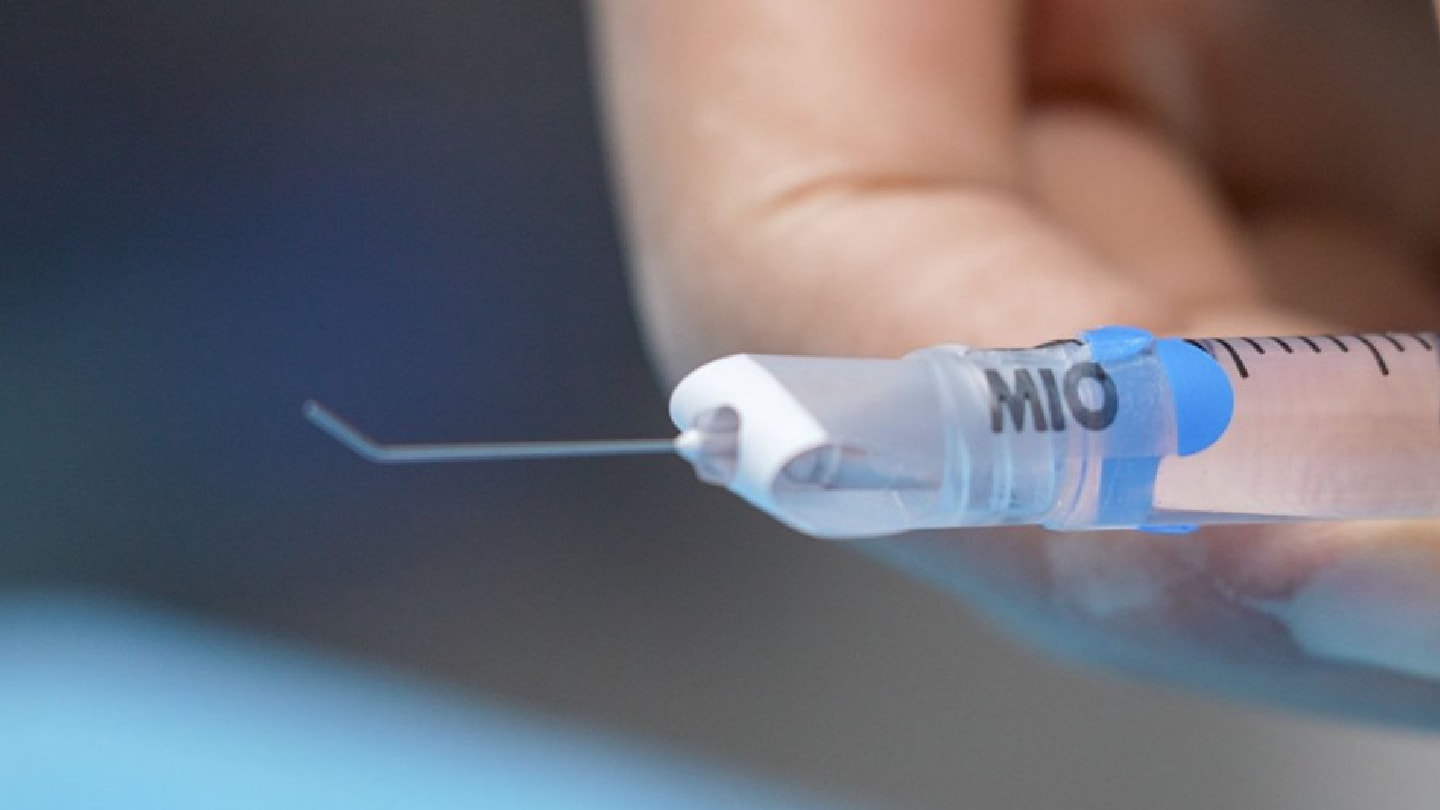
Developed by UK-based Cannusafe Ltd, the sterile, single-use device received regulatory clearance on November 12, 2026, as a Class Is medical device (the subcategory indicates a low-risk medical device in the sterile Class I devices section). It is designed to prevent a detached cannula from being forcefully ejected into the eye during surgery, potentially reducing the risk of serious intraoperative complications.
The device attaches to a standard Luer-lock syringe, acting as a physical backstop that arrests the cannula if it becomes detached under injection pressure. According to the manufacturer, Cannusafe is intended to complement, rather than replace, the proper tightening of syringe connections.
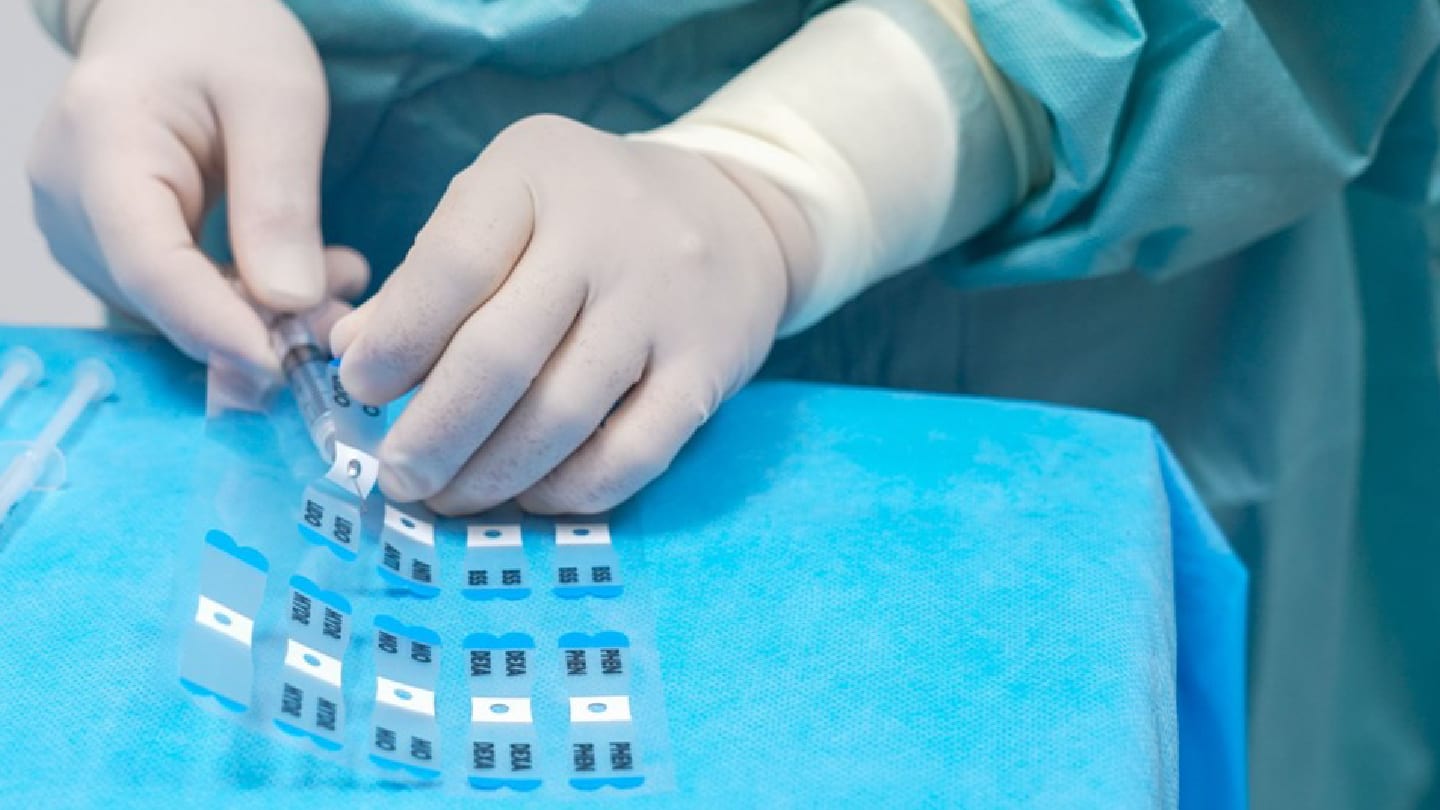
The device also incorporates a labeling function, with nine of the ten devices supplied on each sterile sheet featuring printed codes identifying the drug or fluid contained in the syringe. The remaining tenth device is left blank.
Although cannula detachment is considered uncommon, the potential consequences can be severe. A 2025 survey published in the Journal of Cataract & Refractive Surgery, involving more than 550 ophthalmic surgeons, found that 84 percent had experienced cannula detachment, while 78 percent reported witnessing associated harm.
The survey was conducted by Amar Alwitry, consultant ophthalmologist, founder and director of Cannusafe Ltd, and the inventor of the device.
"I believe every syringe and cannula in intraocular surgery should be protected by a backstop safety device," Alwitry said in a recent press release.
"Detachment is uncommon and tightening the connection properly matters, but every connection is made by hand, through gloves, and human error will sometimes happen, sometimes with catastrophic visual consequences… Now that Cannusafe® is CE marked, the gap that has been open for many years can be closed by protecting all the Luer-lock syringes we use, and, I hope, all patients having this surgery across the world.”
In the same press release, Alwitry also suggested that the introduction of additional safety measures could represent an evolution in surgical standards, comparable to the transition from slip-tip to Luer-lock syringes.
Cannusafe Ltd, headquartered in Nottingham, UK, owns the device's design and patents, while manufacturing takes place in France with a specialist medical-device manufacturer.
The company expects to receive its first production batch in the coming weeks, ahead of the planned launch in early 2027. A separate single-unit version, intended for supply alongside ophthalmic viscoelastic products, is also under development.
The CE marking covers the sterile ten-device format, although clinical evidence demonstrating a reduction in surgical injuries was not presented in the company's announcement.
Source: Cannusafe.