A year on from the publication of the 2025 World Society of Paediatric Ophthalmology and Strabismus (WSPOS) Myopia Consensus Statement, the evidence base for myopia management continues to evolve.
At this year’s ESCRS Congress, we spoke to Elizabeth Lumb, Director, Global Professional Affairs, Myopia Management at CooperVision, about how the conversation has changed, the continuing gap between awareness and implementation, and why treatment increasingly needs to be tailored to the individual child.
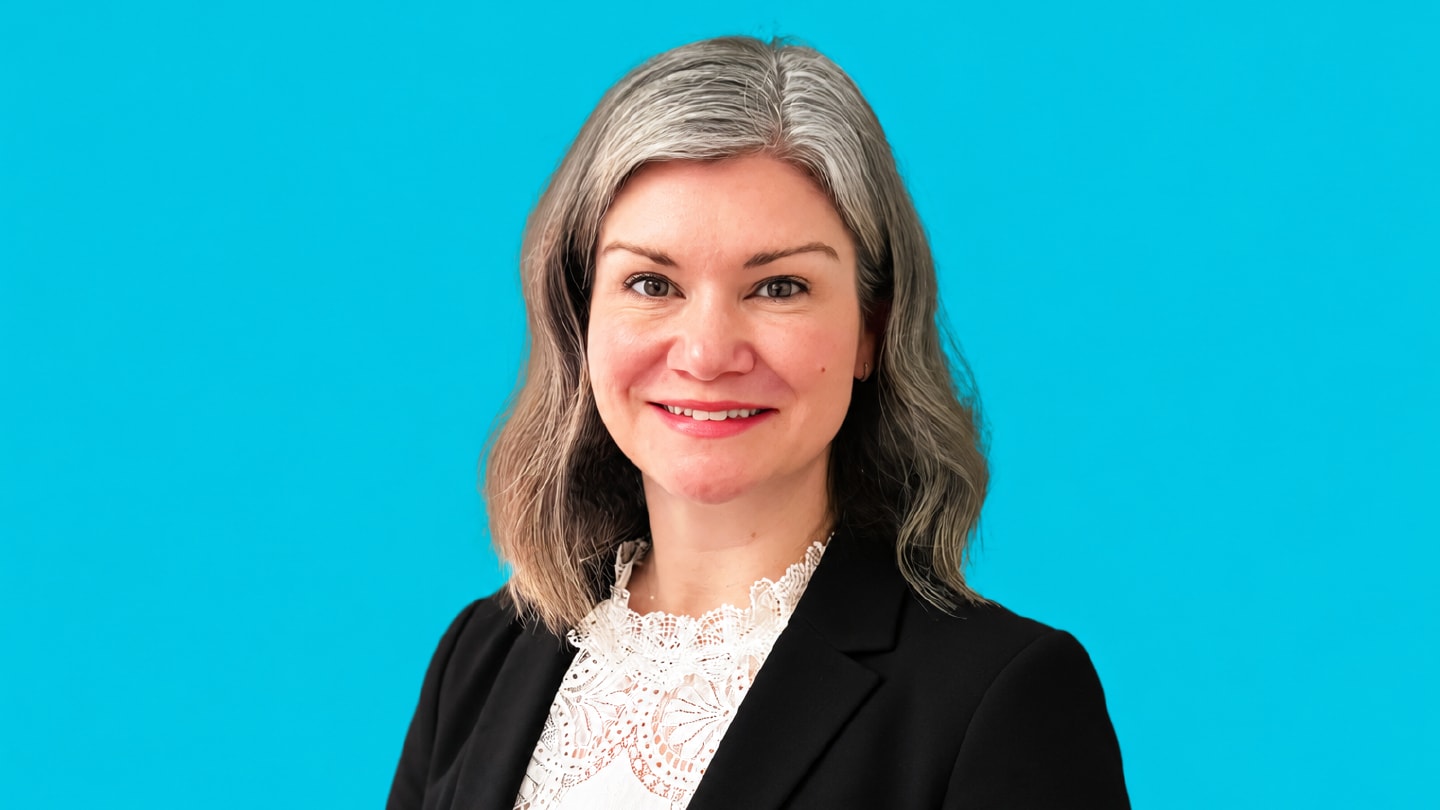
You were part of the myopia conversation at WSPOS before the 2025 Consensus Statement was published. What were the biggest areas of uncertainty or debate at that time?
Elizabeth Lumb: WSPOS has revised its Consensus Statement several times over the past few years, which reflects a desire to support its members with an evolving clinical framework. The first consensus statement looks extremely different from the one published last year because our understanding of the evidence – and how that evidence can be translated into clinical practice – has changed so much.
One of the things I really like about the WSPOS approach is the recognition that this will never be a static piece of work. I don’t see that level of proactivity from many other organizations in this field, and I think it sets an important precedent.
It keeps the information current and gives practitioners a framework they can refer to. We are increasingly seeing the evidence presented in a way that can be translated into practical implementation, which is really important.
A year on, do you think the Consensus Statement has genuinely changed the way clinicians think about childhood myopia, or is there still a gap between consensus and everyday practice?
I think that gap is probably the area we are most keen to address. Awareness is one thing; proactive implementation is something quite different.
There are challenges. For some practitioners, we are asking them to integrate an entirely different business model. For others, it may require a change in clinical practice in an area where they have not had extensive training.
What we do recognize is that ophthalmologists have extremely influential voices. Even if someone is not a myopia specialist or pediatric ophthalmologist, they are still very well-placed to advocate for changes in practice. That can help us close the gap between awareness and implementation.
WSPOS also runs independent medical education programs throughout the year. Again, I think that level of proactivity should be applauded. We don’t necessarily see many other societies taking the same approach.
What changes have you noticed in the conversations taking place at meetings such as WSPOS since the statement was released?
I wouldn’t say the conversation is changing as quickly as we would like, but myopia now features quite prominently on the agendas of many of the clinical conferences we attend.
Even here at the ESCRS subspecialty day, there is an entire section devoted to childhood myopia. Pediatric ophthalmology has many complex conditions competing for attention, so the fact that myopia now has that kind of spotlight feels like real progress. It is being given the time on the agenda that it needs and deserves.
There are now several evidence-based approaches to myopia control, from optical interventions to atropine. Has the challenge shifted from proving that myopia can be managed to deciding how best to manage the individual child?
We are extremely fortunate in terms of the choices now available. If you go back several years, both the evidence base and the number of interventions were limited. In some cases, clinicians were working outside a labelled indication because they believed intervention was the right thing to do.
Today, we have everything from pharmaceutical approaches to optical and novel interventions. The challenge has therefore shifted towards deciding which treatment is most appropriate for which patient.
Importantly, those prescribing decisions may not remain static. What is right at the beginning of a child’s myopia-management journey may not be the right intervention several years later.
Myopia management can span much of childhood – from perhaps eight years of age, or even younger, through to young adulthood. An eight-year-old may have very different requirements, levels of parental supervision, and lifestyle considerations from a 15-year-old.
Adherence is also extremely important. We know that if an intervention is not worn or used as prescribed, you are unlikely to achieve the same optimal outcomes in terms of myopia control. In clinical studies, adherence is closely monitored; in the real world, that may be very different.
Moving forward, I think we need to become better at optimizing the treatment plan for the individual child, taking into account their circumstances, lifestyle, family situation, and how those factors may change over time.
Looking ahead, what would you like the myopia conversation to look like by the time the next consensus statement is written?
There are definitely things we should retain, particularly that strong foundation of evidence. We are treating children, so we need robust evidence behind what we do. We already have a substantial evidence base, and we should be cautious about simply moving towards the next new or interesting intervention if it does not yet have that longevity of evidence behind it.
What may still be missing is a clearer framework around patient selection – perhaps a more holistic way of thinking about how we treat children as individuals rather than as part of a cohort or an average.
That could help translate the evidence base into practical tools clinicians can use to decide what is most appropriate for the child in front of them. I think that would help move the whole category forward.
Is there a timeframe for the next statement?
My understanding is that the next consensus statement is already being developed.
The scale of the evidence base illustrates why these statements have to evolve so frequently. There is now so much peer-reviewed literature that keeping completely up to date would require a huge amount of reading. In some respects, the moment a statement is published, the evidence has already moved on.
That is why being proactive about reviewing and updating the evidence is so important, and it is encouraging to see WSPOS continuing to do that.
