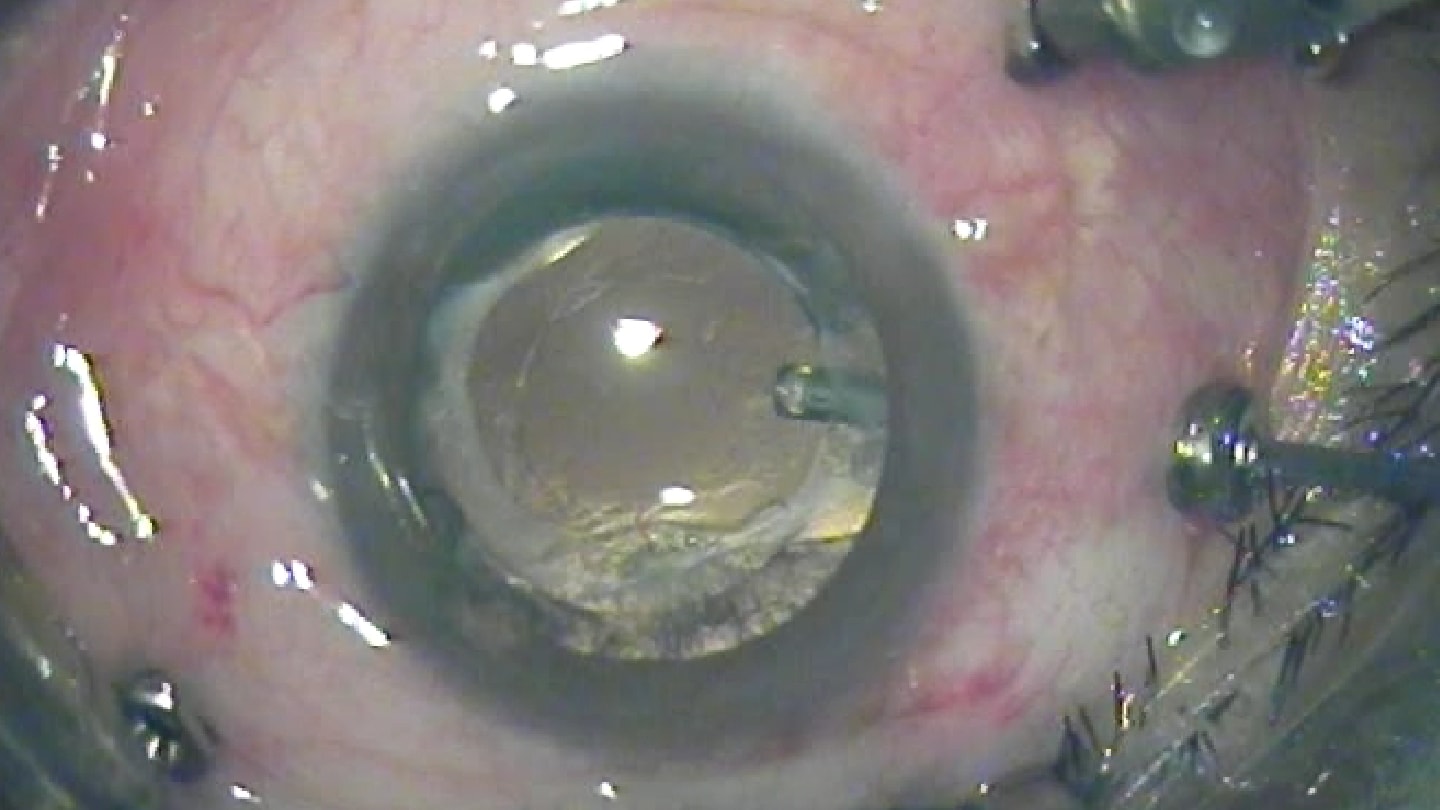
Acute endophthalmitis is rare, affecting approximately one in every 1,000–2,000 patients following an intraocular procedure, but its consequences can be devastating. Infection of the fluids and tissues inside the eye may cause pain, profound visual loss and, in the worst cases, blindness. For clinicians, the challenge is not simply eradicating the infection, but doing so quickly enough to preserve useful vision.
A Phase 2 feasibility study involving 21 UK centers has now provided encouraging evidence that earlier surgical intervention may improve outcomes. In the first randomized controlled trial to assess early vitrectomy after endophthalmitis arising from any type of invasive ophthalmic procedure, 63 patients were allocated either to pars plana vitrectomy within 48–96 hours of diagnosis or to an initial antibiotic-led treatment strategy.
At six months, patients treated with early vitrectomy achieved a median improvement of 40 letters, with improvements ranging from 28 to 70 letters. Those receiving the conventional antibiotic-first approach recorded a median gain of 13 letters, with a range of 0–66 letters. On the basis of the median values, the surgical group therefore experienced more than three times the visual improvement seen with conventional management.
Recovery also appeared to occur sooner in the early-vitrectomy group. That distinction may be particularly meaningful in endophthalmitis, where patients must cope not only with pain and impaired vision, but also with the uncertainty that sight may not return. Faster recovery could therefore offer psychological and functional benefits alongside gains in visual acuity.
Safety findings were similarly encouraging. Non-serious adverse events were reported in 47 percent of patients undergoing early vitrectomy, compared with 68 percent of those managed initially with antibiotics. The early-surgery group also experienced fewer retinal detachments, according to the study report.
The rationale for revisiting early vitrectomy is strengthened by advances in vitreoretinal surgery. Evidence supporting immediate vitrectomy after cataract surgery emerged around three decades ago, but the procedure has not become routine across the broader range of post-procedural endophthalmitis cases. Since then, smaller-gauge 23-, 25- and 27-gauge systems, wide-angle viewing and the established use of silicone oil have transformed pars plana vitrectomy, potentially changing its risk–benefit profile.
The investigators frame the trial as a feasibility study rather than definitive evidence of superiority. With only 63 participants, the findings have limited statistical power and will need confirmation in a substantially larger Phase 3 randomized trial. Nevertheless, the study demonstrated that early surgery was feasible across multiple centers and acceptable to both patients and surgeons.
Lead author Mahi Muqit, Senior Vitreoretinal Consultant at Moorfields Eye Hospital and Associate Professor at the UCL Institute of Ophthalmology, said: “This important new study shows the potential short-term and long-term potential benefits to patients given an early vitrectomy if they contract endophthalmitis after their eye procedure. As using this intervention at diagnosis shows clear potential to improve clinical outcomes, we now intend to take this forward to a definitive Phase 3 randomized clinical trial that can definitively answer this question.”
